Last updated 2026-07-25
TL;DR
A reserve study is a financial and physical analysis that tells a condo or HOA board what major components will need repair or replacement, when, and how much money to set aside now so owners don't get hit with a surprise special assessment later. Florida condos 3+ stories must complete a Structural Integrity Reserve Study (SIRS) by December 31, 2024 under Fla. Stat. 718.112.
What is a reserve study?
A reserve study is a report, usually prepared by an engineer or a reserve specialist, that does two things at once. First, it inventories the physical stuff your building or community owns in common: the roof, the pool deck, the elevators, the paint, the parking garage, the seawall. Second, it estimates the remaining useful life of each item and what it will cost to fix or replace it when that life runs out. The output is a funding plan. Not a guess, not a gut feeling from a board member who's been on the property committee for nine years. A number, tied to a component, tied to a year. For Florida condominiums specifically, the legislature stopped treating this as optional advice after the Champlain Towers South collapse in Surfside in June 2021. Buildings three stories or more now have a mandatory version called a Structural Integrity Reserve Study, or SIRS, under Fla. Stat. 718.112(2)(g). That statute lists specific components the study must cover: roof, load-bearing walls, primary structural members, floor, foundation, fireproofing and fire protection systems, plumbing, electrical, waterproofing, exterior painting, and windows and doors, among others. A generic HOA reserve study (single-family home HOAs, townhomes, non-condo communities) is not legally required in Florida the same way. But it's still the only honest way to know what you should be saving, and most reserve professionals will tell you it's cheap insurance against a five-figure special assessment landing on your desk with no warning.
What is a reserve study for an HOA?
For a homeowners association, a reserve study works the same way conceptually as the condo version, but it's not mandated by Florida statute in the same blanket way SIRS is for condos. HOAs governed by Chapter 720 do have reserve funding disclosure and voting requirements when reserves are established, but the study itself isn't a statewide mandate the way SIRS is for qualifying condo buildings. That said, a lot of Florida HOAs choose to commission one anyway, especially communities with shared amenities like clubhouses, gates, private roads, drainage systems, or pools. If your HOA has any of that infrastructure, a reserve study for an HOA answers a simple question the board gets asked at every annual meeting: are our dues actually enough? The study typically breaks components into three categories: those with less than 5 years of life left, those with 5 to 15 years, and those beyond that. It then models a funding plan, either "full funding" (aim to have 100% of the calculated reserve on hand at any point) or "threshold funding" (keep reserves above some minimum floor, often used to avoid dues spikes). Neither approach is legally mandated for HOAs, so the board has real discretion here, which also means real responsibility if they get it wrong.
What is a Structural Integrity Reserve Study (SIRS) and who needs one?
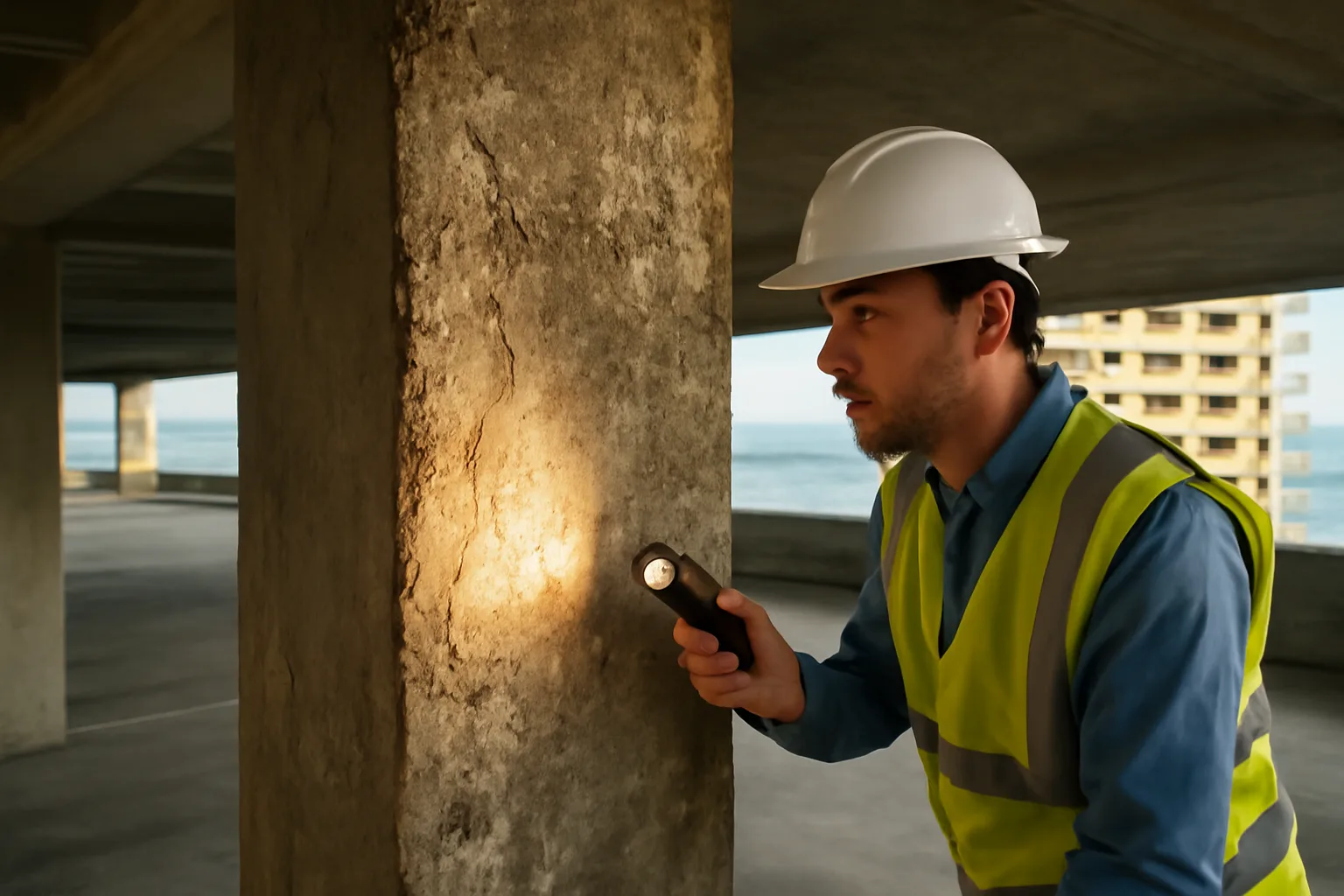
SIRS is the condo-specific, legally mandated version of a reserve study created by Senate Bill 4-D (2022) and folded into Fla. Stat. 718.112. It applies to condominium buildings three stories or higher in height. The first SIRS deadline was December 31, 2024, and after that, SIRS must be redone at least every 10 years. DBPR, the Department of Business and Professional Regulation, oversees condo compliance and publishes guidance for associations working through this requirement; check their condominium resources page for current filing and licensing information, since DBPR periodically updates procedures. The statute is specific about who can do this work. It has to be performed by a licensed engineer or architect, and the study has to include, per the statute, "a study of the reserves required...for future major repairs and replacement of the condominium property" based on a visual inspection of specified structural and life-safety components Fla. Stat. 718.112(2)(g). This is different from, and complementary to, the milestone inspection required at 30 years (or 25 years within 3 miles of the coast) under Fla. Stat. 553.899. Milestone inspections check structural safety at a point in time. SIRS is a funding plan built partly from what that inspection finds. Boards often confuse the two, or assume one satisfies the other. It doesn't. You need both, on their own timelines. For a breakdown of how those two deadlines interact, see our guide on reserve studies for condo associations.
How much does a reserve study cost?
Costs vary widely depending on the size of the building, the number of components inventoried, and whether the study is a full study (with an on-site inspection of every component) or an update study (which relies more on prior data). There isn't one single national price sheet, and any number you see quoted without a source should be treated skeptically. Community association trade publications and reserve specialists generally describe full reserve studies for mid-size associations running from roughly $3,000 to $10,000+, with large or structurally complex buildings, especially those needing SIRS with engineering sign-off, landing higher, sometimes well into five figures, because of the engineering and structural inspection component layered on top of the standard financial reserve analysis. A few things drive the price up: number of buildings, number of distinct components, whether elevators or seawalls or fire suppression systems are involved, and how much on-site engineering time is required versus desk research. Associations should get at least two or three quotes and confirm the preparer is a licensed engineer or architect if the study needs to satisfy the SIRS requirement under 718.112, since not every reserve consultant carries that license. The smarter framing for a board isn't "how do we get the cheapest study" but "how do we get a study we can defend to owners and, if it comes to it, to a court or a buyer's attorney." A cut-rate study that misses a component or lowballs a replacement cost can cost the association far more later, either in an emergency special assessment or in liability exposure.
How much should an HOA have in reserves?
There's no single statutory dollar figure or percentage that applies to every Florida HOA, because reserve adequacy depends entirely on what the community actually owns and how old it is. The honest answer is: enough to cover what the reserve study says you'll need, when you'll need it. Most reserve professionals talk in terms of a "percent funded" metric, comparing what's actually in the reserve account against what the study calculates should be there at that point in the life cycle. Community association research generally treats anything below roughly 30% funded as a weak position, meaning a special assessment becomes more likely if a major component fails early or costs run over estimate. There isn't one universal government-set threshold for this in Florida statute for HOAs the way there now is for condo SIRS compliance, so treat any specific percentage you see quoted as an industry rule of thumb, not law. For condos under SIRS, the funding requirement is more direct: as of the changes made by SB 4-D and later legislative adjustments, associations subject to SIRS generally cannot waive or reduce reserve funding for the components covered by the study, and reserves for those items must be funded based on the study's findings, not a board vote to underfund. Confirm current statutory detail with your association's counsel, because the legislature has amended this section more than once since 2022 and likely will again.
What are HOA assessments? What is an HOA assessment?
An HOA assessment (or condo assessment) is simply the money owners are required to pay to the association to cover its expenses. There are two basic kinds. Regular (or "common") assessments are the recurring dues, monthly or quarterly, that fund day-to-day operations: landscaping, insurance, management fees, utilities for common areas, and contributions to the reserve fund. Special assessments are one-time (or occasionally installment) charges levied when the regular budget and reserves aren't enough to cover a specific cost, most often a major repair, an insurance shortfall, or a legal judgment. Special assessments are exactly what a good reserve study is designed to prevent, or at least soften, by spreading the true cost of a known future expense (a roof replacement, an elevator overhaul) across years of smaller reserve contributions instead of one enormous bill. Under Florida condo law, the association's budget must include reserve line items for the SIRS-covered components, and boards generally cannot vote to waive those reserves for SIRS items once the study applies to the building Fla. Stat. 718.112(2)(f). That's a meaningful shift from pre-2022 practice, when many associations voted every year to waive or reduce reserve funding entirely. For more on how special assessments get triggered and structured, see our guide on the HOA special assessment process.
Are HOA special assessments tax deductible?
Generally, no, not for a typical owner-occupied home. The IRS treats HOA assessments, regular or special, as a personal, nondeductible living expense in the same category as your regular dues, similar to how it treats most homeowner association fees. This is stated in IRS guidance on rental property and home expenses; assessments become potentially deductible only in specific circumstances, most commonly when the property is a rental or used for business, in which case a portion of the assessment may be deductible as a rental expense, or when the assessment pays for a capital improvement to a rental property (in which case it's typically depreciated rather than deducted outright) IRS Publication 527. For a primary residence, don't count on writing off a special assessment on your federal return. This is one of the most common questions boards get from unhappy owners right after a big assessment hits, and it's worth answering clearly before the emails start: check with a CPA about your specific situation, especially if the unit is a rental, but the default answer for an owner-occupied unit is that it isn't deductible.
How does a reserve study actually get done, step by step?
A reserve specialist (for SIRS, this must be a licensed engineer or architect) starts with a site visit and physical inspection of every major component listed in the scope, whether that's statutory (SIRS) or association-defined (a voluntary HOA study). They then pull records: original construction date, prior repair or replacement dates, warranty information, and any past engineering reports. From there they estimate remaining useful life for each component and current replacement cost, adjusted for the specific building's materials and local labor and materials pricing in Florida. The final report gives the board a year-by-year funding schedule: how much to put into reserves annually so the money is there when the roof or elevator or seawall needs replacing. Boards then use this to set the budget and reserve line items for the coming fiscal year, and present it to owners, usually at the annual meeting where the budget is adopted. This is also where a lot of boards get overwhelmed, not because the study itself is complicated, but because tracking which deadline applies to which building, filing it with the right authority, and keeping owners informed on schedule is a lot of moving parts for volunteers who also have day jobs. That's the exact gap our $199 Board Compliance Kit is built to close: it doesn't replace the licensed engineer who does the actual study, but it organizes your building's specific deadlines, tracks what's been filed, and generates the owner communication so nothing slips.
What happens if a Florida condo doesn't do a required SIRS?
Skipping a required SIRS puts a condo association in violation of Chapter 718's reserve and structural integrity requirements, which exposes the board to potential liability and can create real problems at resale, since some lenders and title companies now ask for SIRS and milestone inspection status before closing on a unit in an older building. DBPR has enforcement authority over condominium associations, and owners or the association itself can also face difficulty getting favorable insurance terms without documented compliance. Insurers increasingly ask about SIRS and milestone status when underwriting condo master policies, and a building that can't show either is a harder, more expensive risk to place. No article can tell you whether your specific building is or isn't in compliance; that determination depends on your building's exact height, age, location, and documents, and it needs to come from your association's counsel and the licensed engineer who reviews your specific structure, not a general guide like this one. What this article can do is make clear that the deadline exists, the study must come from a licensed professional, and the consequences for skipping it involve real money and real liability, more than paperwork annoyance.
Reserve study vs. milestone inspection: what's the difference?
| Statute | Fla. Stat. 553.899 | Fla. Stat. 718.112 |
|---|---|---|
| Trigger | Age 30 (or 25 if within 3 miles of coast) | All condos 3+ stories |
| Frequency | Every 10 years after first | Every 10 years |
| Who performs it | Licensed engineer or architect | Licensed engineer or architect |
| What it answers | Is the structure safe now? | What will it cost, and when? |
| First deadline | Varies by building age/location | December 31, 2024 |
These get confused constantly, so here's the plain distinction. A milestone inspection, required under Fla. Stat. 553.899, is a structural safety check performed by a licensed engineer or architect at 30 years of the building's life (25 years if within 3 miles of the coastline), then every 10 years after. It answers: is this building structurally sound right now? A reserve study, and specifically a SIRS for qualifying condos under Fla. Stat. 718.112, is a financial planning document. It answers: what will this building need in the future, and how much money do we need to set aside starting now? They're related. The milestone inspection often feeds findings into the SIRS, especially where structural issues affect cost estimates. But satisfying one does not satisfy the other, and boards that assume it does are setting themselves up for a compliance gap. Our milestone inspections coverage walks through the age and coastal-mileage triggers in more detail if you're not sure which bucket your building falls into. | Feature | Milestone Inspection | SIRS (Reserve Study) |
Can a board waive or reduce reserve funding after SIRS?
For the specific components covered by SIRS, generally no, not since the post-Surfside statutory changes took effect. Prior to 2022, many Florida condo boards voted annually, often with a simple majority of owners at the budget meeting, to waive or reduce reserve contributions entirely, which is exactly how some buildings ended up underfunded and unprepared for major structural costs. Under current law, associations subject to SIRS generally cannot vote to waive or use reserve funds designated for SIRS-covered components for anything other than their designated purpose, absent narrow exceptions Fla. Stat. 718.112(2)(f). Non-SIRS reserve items may still have more flexibility depending on the association's documents and current law. The legislature has revisited this several times since the original 2022 bill, adjusting timelines and some funding mechanics in response to boards and owners struggling with the size of the assessments needed to catch up all at once. Given that history, don't rely on last year's summary of the rules. Confirm the current version with your association's counsel before you finalize a budget, and check our Florida condo reserve fund relief coverage for the latest on any phased-funding options the legislature has authorized.
Frequently asked questions
What is a reserve study?
A reserve study is a professional analysis, usually by an engineer or reserve specialist, that inventories a building's major components (roof, elevators, structure, etc.), estimates each one's remaining life and replacement cost, and produces a year-by-year funding schedule so the association saves enough before a big repair becomes an emergency.
What is a reserve study for an HOA?
It's the same core process applied to a homeowners association's shared property, like a clubhouse, private roads, gates, or drainage systems. Florida doesn't universally mandate reserve studies for HOAs the way it does SIRS for qualifying condos, but many HOAs commission one voluntarily to set accurate dues and avoid special assessments.
What is a reserve study for an HOA versus a condo?
The methodology is nearly identical, but condos 3 stories or higher in Florida face a mandatory version, SIRS, under Fla. Stat. 718.112, with a hard first deadline of December 31, 2024. HOA studies are generally voluntary and governed more by the association's own documents and board judgment.
How much does a reserve study cost in Florida?
Costs vary by building size and scope, but full studies for mid-size associations commonly run from roughly $3,000 to $10,000 or more, with SIRS studies requiring licensed engineer sign-off often landing higher due to structural inspection work. Get at least two or three quotes and confirm the preparer's license.
How much should an HOA have in reserves?
There's no single Florida-wide dollar figure. The right amount is whatever the reserve study calculates based on your specific components and their remaining life. Industry rules of thumb flag anything under roughly 30% funded (actual reserves versus what the study says you should have) as a weak position.
What is an HOA assessment?
An HOA assessment is any required payment owners make to the association, either the recurring regular dues that fund operations and reserves, or a special assessment, a one-time charge levied when the budget and reserves can't cover an unexpected or major cost.
What are HOA assessments used for?
Regular assessments fund landscaping, insurance, management, utilities, and reserve contributions. Special assessments typically fund a specific shortfall: a major repair, an insurance premium spike, storm damage, or a legal settlement that the regular budget wasn't built to absorb.
Are HOA special assessments tax deductible?
Usually not, for a primary residence. The IRS generally treats HOA assessments as a personal, nondeductible expense per IRS Publication 527. They may become partly deductible if the property is a rental or used for business, so check with a CPA for your specific situation.
What is the difference between a milestone inspection and a reserve study?
A milestone inspection (Fla. Stat. 553.899) is a structural safety check at 30 years (25 if within 3 miles of the coast), redone every 10 years. A reserve study, specifically SIRS (Fla. Stat. 718.112), is a financial plan projecting future repair costs and required savings. Both can be required at once, on separate timelines.
Who is allowed to perform a SIRS in Florida?
Fla. Stat. 718.112(2)(g) requires the study be based on a visual inspection performed by a licensed engineer or architect. A general reserve consultant without that license can't complete the structural portion required to satisfy the statutory SIRS requirement.
Can a Florida condo board skip or waive SIRS reserve funding?
Generally no, for components covered by SIRS. Since the post-Surfside statutory changes, associations subject to SIRS generally can't vote to waive or divert reserve funding for those specific components, unlike the pre-2022 rules that allowed broader waivers. Confirm current details with counsel, since the legislature has amended this more than once.
Does every Florida condo need a reserve study?
Every Florida condo association three stories or taller needs a SIRS under Fla. Stat. 718.112, with the first deadline of December 31, 2024, and recurring every 10 years after. Smaller condos and most HOAs aren't covered by that specific mandate but may still benefit from a voluntary study.
What happens if my association doesn't complete a required reserve study?
The association is out of compliance with Chapter 718's requirements, which can create liability for the board, complicate unit sales and insurance underwriting, and leave the building financially unprepared for major repairs. This general guide can't tell you your specific building's status; confirm with counsel and a licensed engineer.
Sources
- Florida Senate, Florida Statutes 718.112: SIRS requirements, covered components, and reserve waiver restrictions for Florida condos
- Florida Senate, Florida Statutes 553.899: Milestone inspection timing at 30 years (25 within 3 miles of coast) and 10-year recurrence
- Florida Senate, SB 4-D (2022): Post-Surfside legislation creating the SIRS requirement and reserve funding restrictions
- Florida Senate, Florida Statutes 720.303: HOA reserve fund establishment and disclosure requirements under Chapter 720
- IRS Publication 527: Tax treatment of HOA assessments and special assessments for rental versus personal-use property