Last updated 2026-07-24
TL;DR
Florida law requires a milestone inspection when a condo or co-op building 3+ stories tall turns 30 (25 if within 3 miles of the coast), then again every 10 years. A licensed architect or engineer does Phase 1, and Phase 2 if problems turn up. Costs commonly run $5,000 to $25,000+ depending on building size, per Fla. Stat. 553.899.
What is a Florida condo milestone inspection?
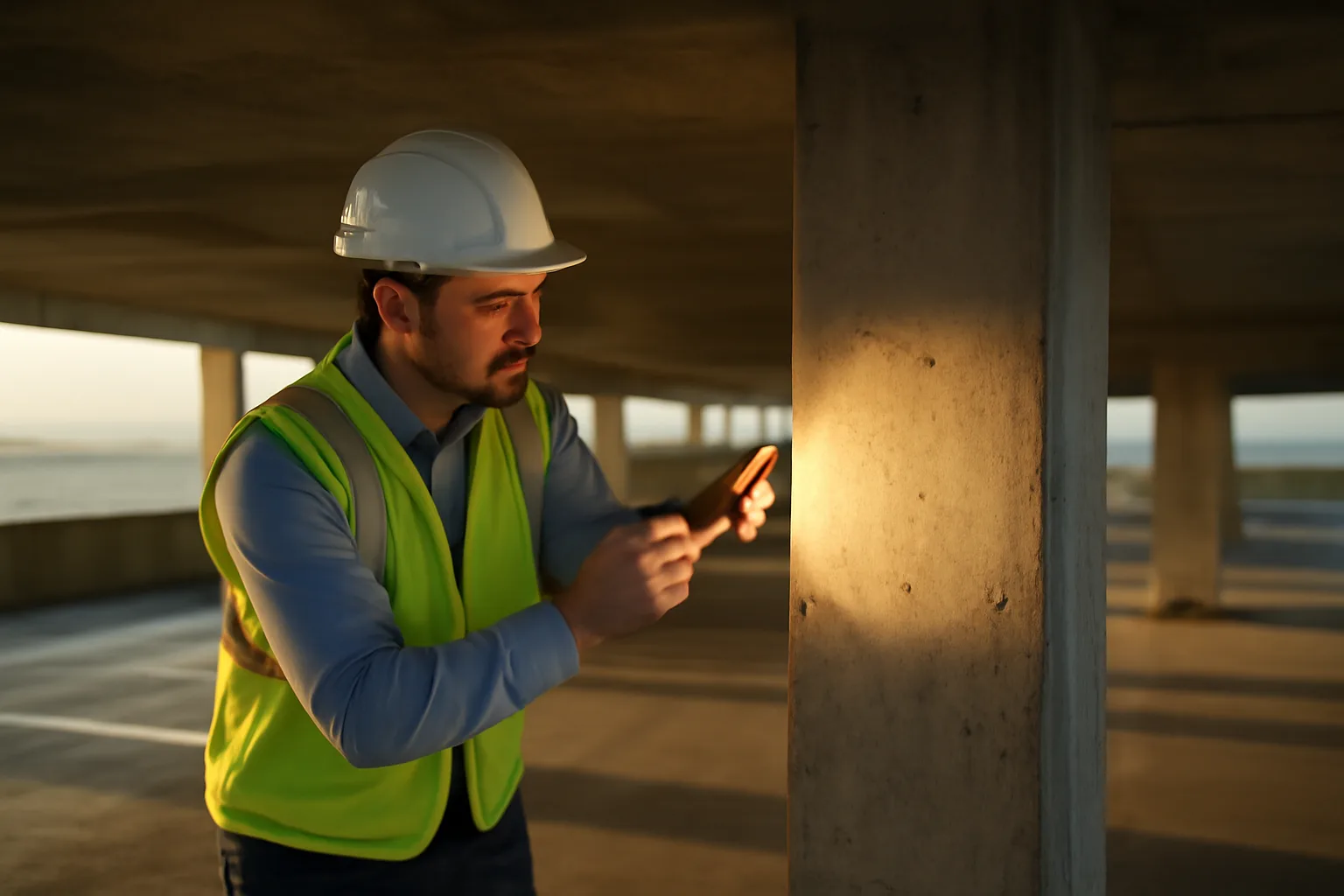
A milestone inspection is a structural check-up required by state law for condominium and cooperative buildings that are three stories or taller. A licensed Florida architect or engineer looks at the load-bearing walls, roof structure, floors, and other structural components to catch deterioration before it becomes dangerous. It is not a cosmetic walkthrough and it is not the same thing as a home inspection you'd get before buying a unit. The law that created this requirement, Florida Statute 553.899, was passed in 2022 after the Champlain Towers South collapse in Surfside killed 98 people in June 2021. Legislators moved fast. The Building Safety Act (SB 4-D, later folded into the broader condo safety package) set a statewide standard where before, only Miami-Dade and Broward counties required recertification inspections at 40 years. The inspection happens in two phases. Phase 1 is a visual inspection of accessible structural components, no destructive testing, no drilling into walls. If the inspector finds "substantial structural deterioration," the law requires a Phase 2 inspection, which can include core sampling, load testing, and more invasive investigation to figure out how bad the problem is and what it will take to fix it [1]. Buildings that clear Phase 1 with no red flags don't need Phase 2. That's the outcome most boards hope for, and it's a real possibility, not a formality. But you don't get to decide that yourself. Only the inspecting professional makes that call, based on what they actually find.
When is my building's milestone inspection due?
| First milestone inspection | 25 years | 30 years | |
|---|---|---|---|
| Repeat inspections after that | Every 10 years | Every 10 years | This is a statutory floor, not a ceiling. Local building officials can set earlier deadlines for buildings they consider higher risk. Miami-Dade and Broward, which ran their own 40-year recertification programs for decades, have continued layering their county rules on top of the state requirement. Confirm your actual deadline with your county building department and your association's counsel, because relying on a general statewide rule when your county has its own overlay is a common and expensive mistake. |
The deadline depends on two things: how old your building is and how close it sits to the coast. For most buildings, the first milestone inspection is due by December 31 of the year the building turns 30, based on the date of the certificate of occupancy. For buildings located within three miles of the coastline, the trigger is 25 years instead of 30, because salt air and humidity accelerate concrete and rebar deterioration [1]. After the first inspection, the cycle repeats every 10 years. So a coastal building does its first milestone inspection at 25 years, then again at 35, 45, 55, and so on. There's a wrinkle for older buildings that predate the law. If your building was already more than 30 years old (or 25, if coastal) as of July 1, 2022, when the law took effect, local building officials were required to notify associations of their deadline, generally requiring inspection by December 31, 2024, unless the local authority set an earlier or later date within statutory limits [1]. If you never got that notice and you're not sure where your building stands, don't assume you're fine. Call your county or city building department directly and ask when your milestone inspection is due. Different counties have handled the backlog differently, and some are more organized than others. | Building age trigger | Coastal (within 3 miles) | Non-coastal |
Which buildings actually need a milestone inspection?
The requirement applies to condominium and cooperative buildings that are three stories or more in height, statewide [1]. Single-family homes, duplexes, and buildings under three stories are not covered by this specific statute, though they may face other local requirements. Height is measured by the number of habitable stories, more than square footage or unit count. A three-story condo with 12 units is just as covered as a 40-story tower. Mixed-use buildings with residential condos above ground-floor retail still count if the residential portion pushes the building to three stories or more. One detail that trips boards up: the law applies at the building level, not the association level. If your association has multiple buildings on one parcel, each building three stories or taller needs its own milestone inspection, on its own timeline based on that specific building's certificate of occupancy. A community with a 3-story building from 1994 and a 4-story building from 2001 has two different milestone inspection deadlines running in parallel, not one deadline for the whole complex. Homeowners' associations (HOAs) governing single-family homes and townhomes generally are not subject to the milestone inspection statute, since it lives inside the condominium and cooperative sections of Florida law. But plenty of HOAs include mid-rise condo buildings within a larger community, and those specific buildings are covered.
Who can perform a milestone inspection in Florida?
Only a licensed architect or licensed professional engineer can perform a milestone inspection in Florida. The statute requires the inspection to be performed by an architect licensed under chapter 481 or an engineer licensed under chapter 471, and that professional has to have appropriate experience with structural design or evaluation of buildings [1]. This is not something a general contractor, a property manager, or a board member can sign off on, no matter how experienced they are. DBPR, Florida's Department of Business and Professional Regulation, licenses and regulates both architects and engineers in the state, and you can verify a professional's license status through DBPR's licensee search. Boards sometimes get pitched by companies offering a "milestone inspection package" that bundles the actual structural inspection with other services. Read the fine print. The structural evaluation itself has to be stamped and signed by the licensed architect or engineer of record, full stop. Anything the board does to organize the process, schedule the inspector, track the report, or notify unit owners, is administrative work around the inspection. It is not a substitute for it and doesn't change who is legally required to perform the actual assessment.
What happens if my building fails or shows problems?
There's no pass/fail grade on a milestone inspection report the way there is on, say, a car emissions test. What happens is the inspector documents what they found, and if they identify "substantial structural deterioration" during Phase 1, they're required to move to Phase 2 [1]. Substantial structural deterioration is a defined threshold in the statute, referring to significant structural distress that could reasonably lead to structural failure. It's a judgment call made by the licensed professional based on cracking patterns, corrosion of reinforcing steel, spalling concrete, deflection, and other physical evidence, not a checklist a board fills out. If Phase 2 is triggered, the inspector's report has to include recommendations for necessary repairs, and the association is required to promptly initiate repairs of any conditions identified as posing a threat to life safety [1]. The report also gets filed with the local building official, and in many jurisdictions, a summary has to be provided to unit owners within a set number of days. This is where boards run into the money question fast. Structural repairs identified in a Phase 2 report often cost far more than routine maintenance, and they frequently show up right when the reserve fund isn't built up enough to cover them. That gap is exactly why the state also overhauled reserve funding rules in the same legislative package, which you can read about in our guide to florida condo reserve fund relief.
How much does a milestone inspection cost?
Costs vary widely based on building size, height, age, accessibility, and whether Phase 2 becomes necessary. Industry reporting and engineering firms working in this space generally cite Phase 1 milestone inspections running roughly $5,000 to $25,000 or more for a typical mid-rise or high-rise condo, with larger and taller buildings, and buildings with more complicated structural systems, at the top of that range. There is no single statewide fee schedule; the statute doesn't set a price, and costs are negotiated directly between the association and the licensed architect or engineer. If Phase 2 is triggered, add real money. Core sampling, lab testing of concrete and rebar, and more invasive investigation can add tens of thousands of dollars on top of the Phase 1 fee, and that's before any actual repair work begins. A board that gets a bad Phase 1 result should brace for a range, not a fixed number, until the Phase 2 scope is defined. Getting multiple bids matters here just like it does for any major contract. Ask each firm for their license number, their experience with buildings of similar age and construction type, and whether their quoted fee is fixed or time-and-materials. A licensed engineer or architect should be comfortable answering all of that in writing. This is also where a lot of boards get overwhelmed, not by the inspection itself but by everything around it: tracking the deadline, getting bids, keeping the board and owners informed, and lining up the reserve study and insurance renewal that often land in the same 12-month window. That's the exact gap our $199 Board Compliance Kit is built for. It doesn't do the inspection (only a licensed professional can) but it organizes your building's specific deadlines, document checklist, and owner communication timeline so nothing falls through the cracks.
What is a reserve study, and why does it matter alongside milestone inspections?
A reserve study is a financial and physical assessment of a community's common-area components (roofs, pavement, elevators, pools, structural elements, and so on) that estimates their remaining useful life and the cost to repair or replace them, then maps that against how much money the association is setting aside. In plain terms, it's the budget-side counterpart to the milestone inspection's structural-side findings. A reserve study for an HOA or condo association typically covers two parts: a physical analysis (what components exist, their age, condition, and expected remaining life) and a financial analysis (current reserve balance, funding plan, and recommended annual contributions). Some firms combine these into one report; others do them separately. For Florida condos, this isn't optional anymore for many associations. Following the 2022 and 2023 legislative changes, condo associations with buildings three stories or higher are required to complete a structural integrity reserve study (SIRS) covering specific components: roof, load-bearing walls, floor, foundation, fireproofing, plumbing, electrical systems, waterproofing, and windows and doors, among others [2]. The SIRS has to be based on, or at least consider, the findings of the milestone inspection where one has been performed. You can read the full breakdown in our reserve study and hoa reserve study guides. Boards that treat the milestone inspection and the reserve study as two separate, unrelated projects usually end up doing double work. The smarter approach is to schedule the SIRS update to happen after (or in close coordination with) the milestone inspection, so the reserve study's cost estimates for structural components actually reflect what the engineer just found in your building.
How much does a reserve study cost?
A reserve study for a condo or HOA typically costs somewhere between $3,000 and $15,000, depending on the size of the property, the number of components being evaluated, and whether it's a full study (with an on-site physical inspection) or an update based on a prior study. Small associations with straightforward components can land at the low end; large high-rises with elevators, pools, structural systems, and extensive common areas run higher. This is separate money from the milestone inspection fee. A board budgeting for both in the same fiscal year should expect to pay for two distinct professional engagements, potentially with two different firms, though some engineering companies offer both services. Full reserve studies with a physical site visit generally cost more than update studies, which rely on the prior study plus a phone or email check-in on component conditions. Florida law doesn't mandate a specific reserve study firm license the way it does for milestone inspections; reserve study providers often carry credentials like RS (Reserve Specialist) from the Community Associations Institute, but this isn't a state licensing requirement the way architect and engineer licensure is for milestone inspections [3]. Given the cost, some boards try to skip the reserve study or do a bare-bones version. That's a mistake for buildings subject to the SIRS requirement, since the statute lays out specific components that must be studied and the study has to be prepared using a visual inspection of the accessible areas of the property, performed by an engineer, architect, or a reserve specialist meeting statutory qualifications [2].
What is an HOA assessment and how is it different from a milestone inspection cost?
An HOA assessment is money the association charges owners, on top of or beyond regular dues, to cover a specific cost the community has to pay. Regular (or "operating") assessments cover routine, recurring expenses like landscaping, insurance premiums, and management fees. A special assessment is a one-time or short-term additional charge levied when there's a cost the regular budget and reserve fund can't absorb on their own, often triggered by exactly the kind of structural repair a Phase 2 milestone inspection can uncover. Milestone inspection and reserve study fees themselves are usually paid out of the operating budget or reserve fund, not through a special assessment, since they're relatively modest, predictable costs compared to actual repair work. It's the repairs the inspection identifies, replacing a deteriorated concrete slab, fixing corroded rebar, waterproofing a failed balcony system, that tend to be big enough to force a special assessment if reserves aren't fully funded. This is the financial chain reaction boards need to see coming: milestone inspection finds a problem, Phase 2 quantifies it, the SIRS shows reserves are underfunded for that component, and the board has to either raise regular assessments significantly, levy a special assessment, take out a loan, or some combination of the three. For more on how special assessments work and get calculated, see our hoa special assessment guide.
How much should a condo or HOA have in reserves?
There's no single dollar figure that applies to every building; the right reserve amount depends on the age, size, and components of your specific property. What Florida law does require, for condo associations with buildings three stories or higher, is full funding of reserves for the specific structural components covered by the SIRS (roof, load-bearing walls, primary structural members, floor, foundation, fireproofing and fire protection systems, plumbing, electrical systems, waterproofing, and windows and doors), starting with the effective date established under the 2022-2023 legislative changes [2]. Associations can no longer vote to waive or reduce reserve funding for those SIRS-designated components, a change from the old law that let owners vote each year to underfund or skip reserves entirely. That flexibility still exists for non-SIRS components (things like painting or clubhouse furniture) but not for the structural items the statute lists. The honest answer to "how much should we have" is: enough to match what your reserve study's funding plan recommends for full or actuarially sound funding of each component, given its age and remaining useful life. A 10-year-old roof with a 25-year lifespan needs a different annual contribution than a 20-year-old roof with the same lifespan, even in an identical building next door. If your board hasn't had a reserve study done recently, or you inherited a study from years ago, get an updated one before trying to answer this question with a single number pulled from a national average, because national reserve fund benchmarks don't reflect Florida's specific statutory requirements. Our reserve study for condo association guide walks through how the funding plan calculation actually works line by line.
Are HOA special assessments tax deductible?
For most individual condo or HOA owners, special assessments are not tax deductible, because they're generally treated like a capital improvement to your property rather than a deductible expense, similar to how you can't deduct the cost of a new roof on your primary home. The IRS doesn't have a specific line item for "HOA special assessment" and instead applies general rules for capital expenditures versus deductible expenses. There are narrow exceptions. If the unit is a rental property, a special assessment for repairs (as opposed to a capital improvement) may be deductible as a rental expense in the year paid, and even capital-improvement-type assessments on a rental property typically get depreciated over time rather than deducted all at once. The IRS's guidance on rental property expenses versus improvements in Publication 527 is the relevant starting point, though it doesn't use the words "HOA special assessment" specifically [4]. This is genuinely a tax question, not a condo law question, and the right answer depends on your personal tax situation, whether the unit is owner-occupied or a rental, and what the assessment actually paid for. Talk to a CPA or tax preparer before assuming either way. Don't rely on a board member's guess or a message board post, including this one, as tax advice.
What should our board do right now to prepare?
Start by confirming your building's exact milestone inspection deadline with your county or city building department, in writing if possible, rather than relying on a general rule of thumb. Coastal proximity and local ordinances both shift the date, and getting it wrong in either direction costs money, either through late fees and violations or through paying for an inspection earlier than legally required. Next, get bids from at least two or three licensed architects or engineers, and verify their license status directly through DBPR's online lookup before signing anything. Ask each firm for a written scope, a fixed or estimated fee, and a realistic timeline, since qualified firms in high-demand areas of Florida have had backlogs stretching months. Coordinate your milestone inspection timing with your SIRS reserve study if you can, so the reserve study's structural cost estimates reflect what the engineer or architect actually finds, rather than guesswork from an older report. If your reserve study is more than a few years old, or was done before the 2022-2023 statutory changes, treat it as outdated and budget for a refresh. Finally, communicate with owners early and often. A board that surprises owners with a large special assessment right after a quiet inspection process invites lawsuits, recalls, and a much harder path to collecting the money. Owners who get regular updates, even short ones, are far more likely to support the board when a real bill comes due. None of this replaces your association's legal counsel. Florida's condo statutes have changed multiple times since 2022 and will likely change again; confirm current deadlines, thresholds, and funding rules with your attorney and your county before finalizing any board decision.
Frequently asked questions
What is a reserve study?
A reserve study is a professional assessment of a community's common-area components (roofs, elevators, structural systems, pavement, and more) that estimates each item's remaining useful life and replacement cost, then compares that to how much money is currently saved. It has a physical component (condition assessment) and a financial component (funding plan), and for many Florida condos it's now a legal requirement, more than best practice.
What is a reserve study for an HOA?
A reserve study for an HOA works the same way as one for a condo: a physical inspection of shared components plus a financial funding plan showing how much the association should be saving each year to pay for future repairs and replacements without a surprise special assessment. HOAs governing single-family homes generally aren't subject to Florida's SIRS mandate, but the underlying planning tool is identical.
What is an HOA assessment?
An HOA assessment is a charge the association bills to owners to cover community costs. Regular assessments fund routine recurring expenses like landscaping and insurance. Special assessments are additional, often one-time charges levied when a specific cost, like a structural repair identified in a milestone inspection, exceeds what regular dues and reserves can cover.
What are HOA assessments used for?
HOA assessments fund shared expenses the association is responsible for: insurance premiums, landscaping, utilities for common areas, management fees, reserve contributions, and repairs to shared structures like roofs, elevators, pools, and building exteriors. In condo buildings, they also cover legally required costs like milestone inspections and structural integrity reserve studies.
How much should an HOA have in reserves?
There's no universal dollar figure; the right amount depends on your community's specific components, ages, and replacement costs, as shown in a current reserve study. Florida condo associations with buildings three stories or taller must now fully fund reserves for specific structural components under the SIRS requirement, with no owner vote allowed to waive that funding, per the 2022-2023 statutory changes.
How much does a reserve study cost?
Typically $3,000 to $15,000, depending on property size, number of components evaluated, and whether it's a full study with a site visit or a cheaper update to a prior study. Larger high-rises with more common elements land at the higher end. This is separate from milestone inspection fees, which are billed and licensed differently.
Are HOA special assessments tax deductible?
Usually not for owner-occupied units, since the IRS generally treats special assessments as capital improvements rather than deductible expenses, similar to a new roof on your primary home. Rental property owners have more options, including possible depreciation of capital-type assessments or direct deduction of repair-type assessments. Confirm your specific situation with a CPA.
When is a Florida milestone inspection required?
By December 31 of the year a condo or co-op building three stories or taller turns 30 years old, or 25 years old if the building sits within three miles of the coastline, then every 10 years after that, per Florida Statute 553.899. Local building officials can also set earlier deadlines in some counties.
Who has to pay for a milestone inspection?
The condominium or cooperative association pays for the milestone inspection, typically out of the operating budget or reserve funds, then bills owners through regular assessments. It's not something individual unit owners contract for separately, since the inspection covers the whole building's structure, not individual units.
What happens after a milestone inspection finds problems?
If the licensed inspector finds substantial structural deterioration during the visual Phase 1 review, Florida law requires a more invasive Phase 2 inspection, which can include core sampling and load testing. The association must then promptly begin repairs on anything identified as a life-safety threat, and the report gets filed with the local building official.
Does every Florida condo building need a milestone inspection?
Only condominium and cooperative buildings three stories or taller are covered under Florida Statute 553.899. Buildings under three stories, single-family homes, and most standalone HOA townhome communities are not subject to this specific requirement, though local rules can vary and should be confirmed with your county.
Can a general contractor perform a milestone inspection?
No. Florida law requires the inspection be performed by a licensed architect (chapter 481) or licensed professional engineer (chapter 471) with appropriate structural experience. You can verify any professional's license status directly through DBPR's online licensee search before hiring them.
Sources
- Florida Senate, Florida Statutes Chapter 553.899: Milestone inspection triggers, phases, deadlines, and structural deterioration reporting requirements
- Internal Revenue Service, Publication 527 (Residential Rental Property): IRS treatment of capital improvements versus deductible repair expenses for rental property
- Florida Senate, Florida Statutes Chapter 718.112 (Condominiums, Association Powers and Duties): Structural integrity reserve study (SIRS) component list and reserve funding requirements for condo associations
- Miami-Dade County, Code of Ordinances Sec. 8-11 (Minimum Building Inspection Standards): Miami-Dade County's 40-year building recertification program predating the statewide milestone inspection law
- Community Associations Institute, Reserve Specialist (RS) Credential: Reserve Specialist (RS) credential offered as a professional designation for reserve study preparers